Boxed 6
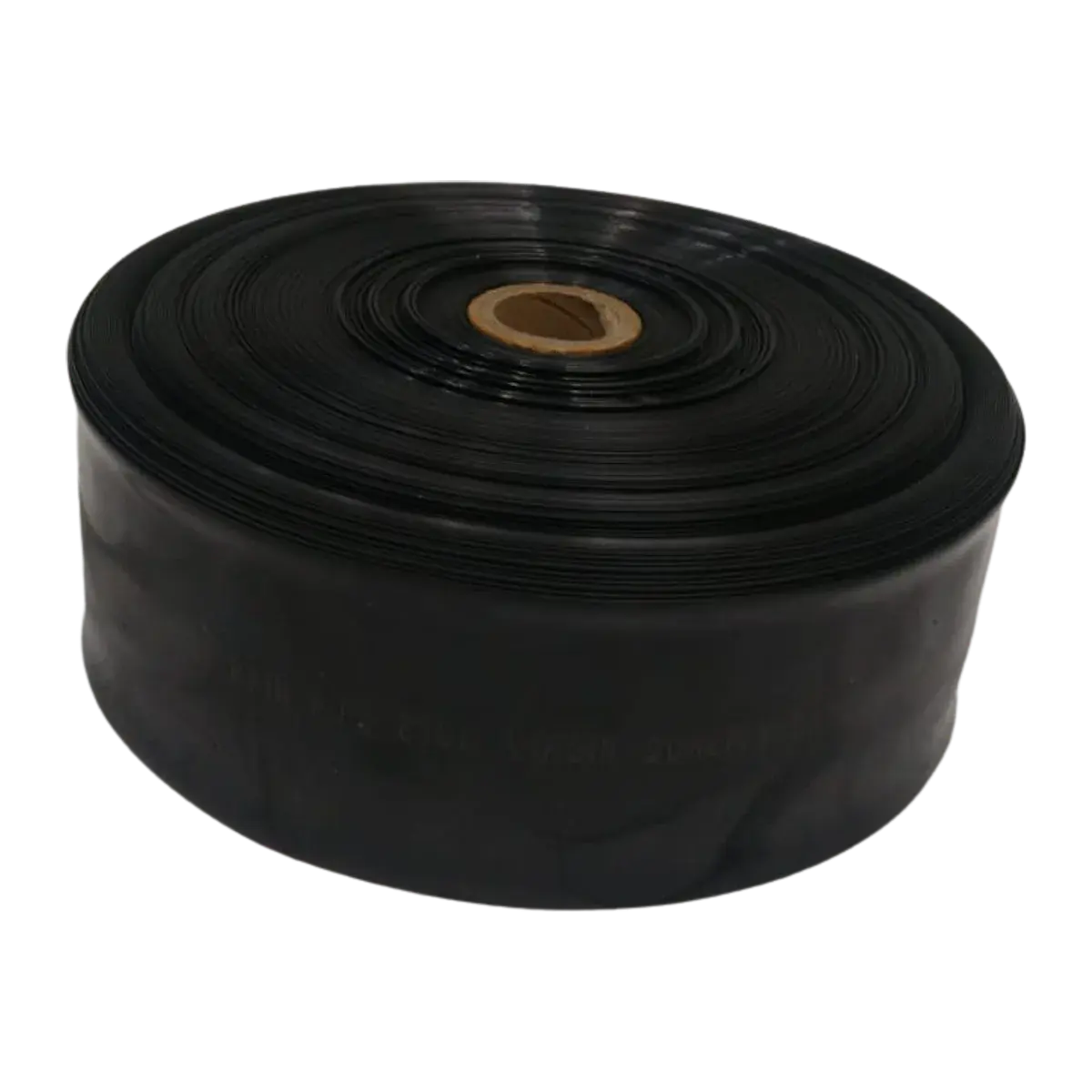
Rain Pipe Irrigation
Rain hose pipe eco series is flexible LLDPE irrigation hose with laser-punched discharge holes arranged in a zigzag pattern. It is designed for low-pressure, rain-like spray distribution across suitable crop beds and broadcast crop layouts. The specified operating pressure is 1 to 1.5 kg/cm²
Rain Hose Pipe Eco Series
5 variants
₹3,024 / piece
Was ₹3,78020% off · Dussehra Special
Boxed 8 to a box · ₹24,192 the box
Offer price, inclusive of tax · 5% GST
Delivery calculated at checkout from your PIN code.
In stock
Buy from a single piece — you do not have to take a full box. Boxed 8 to a box · ₹24,192 the box.
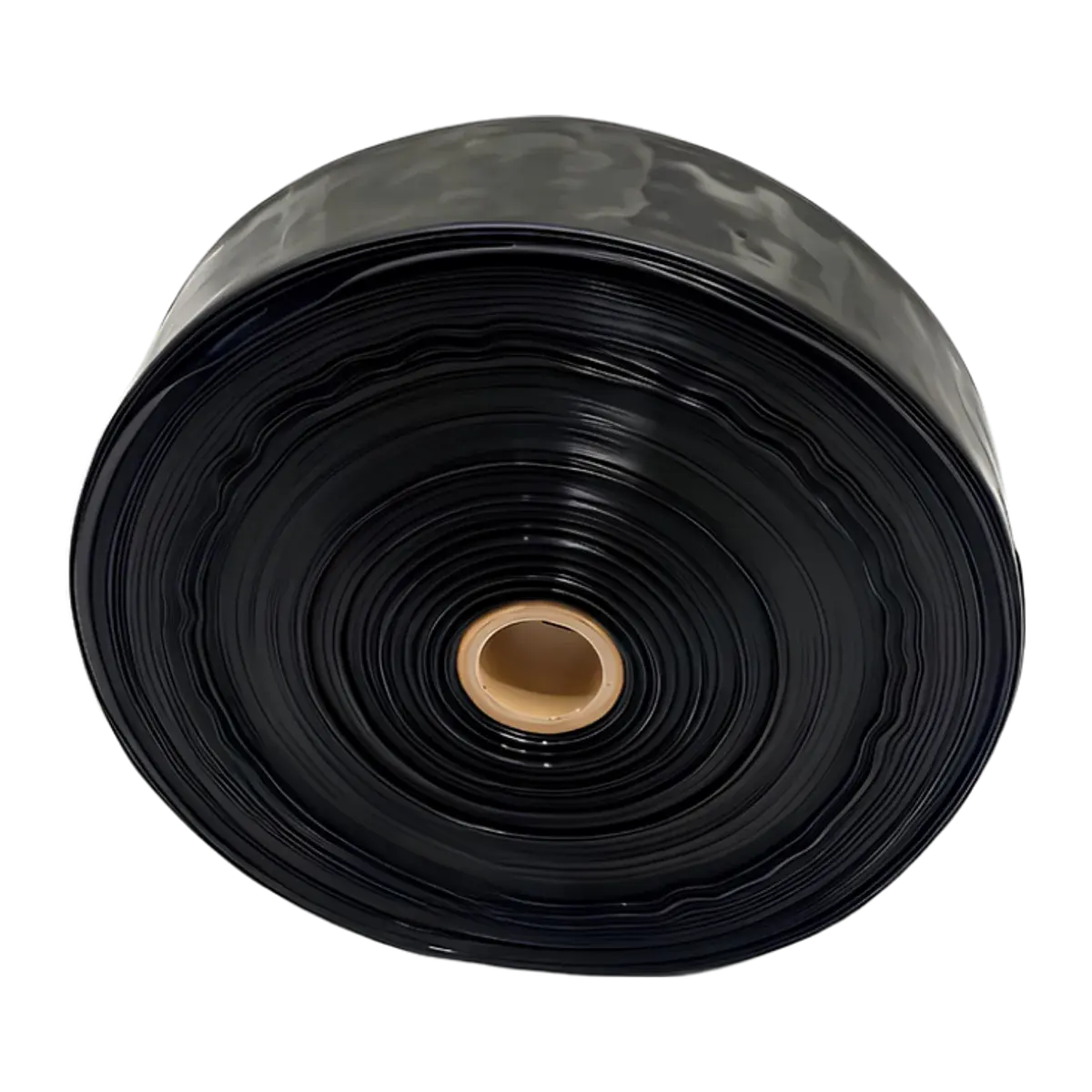
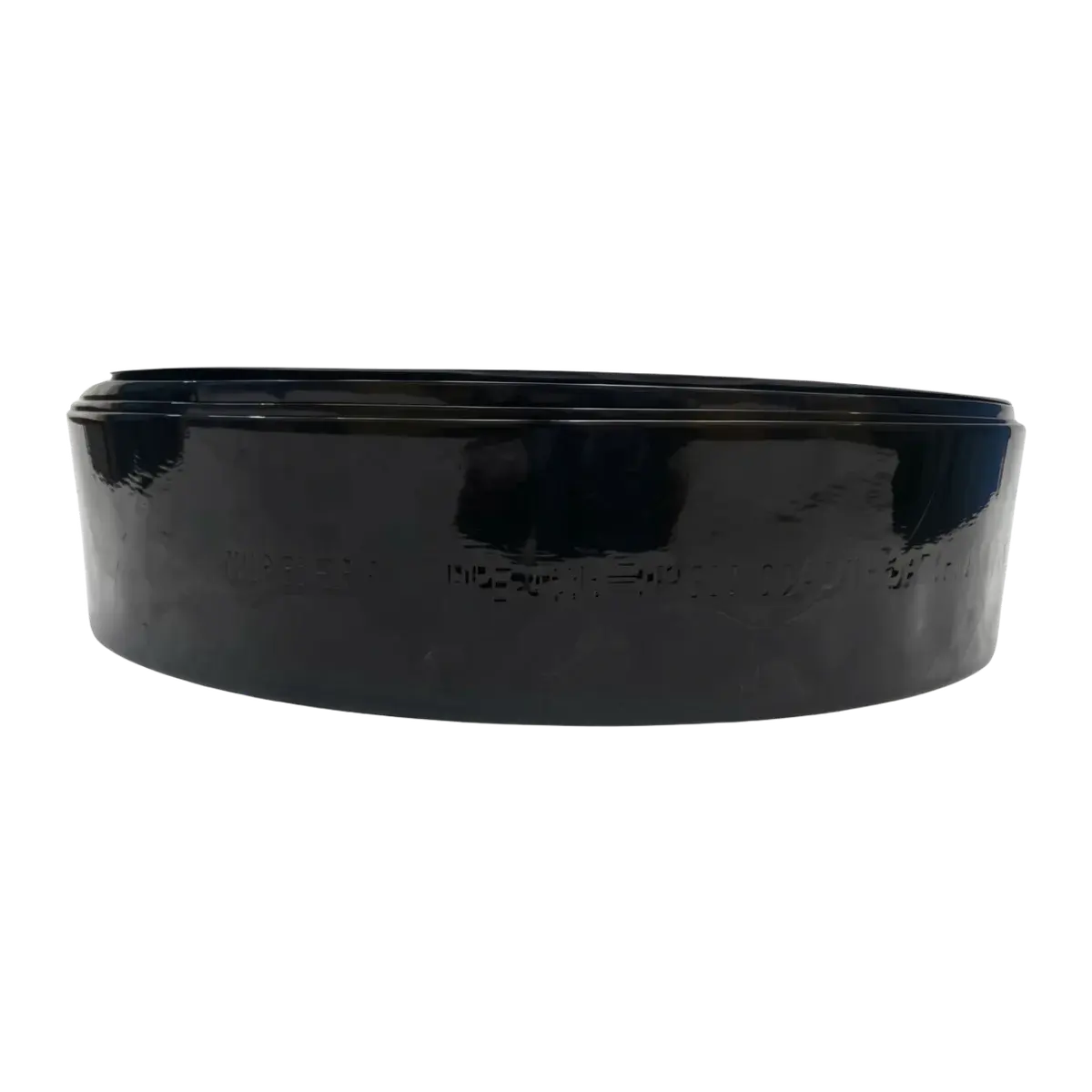
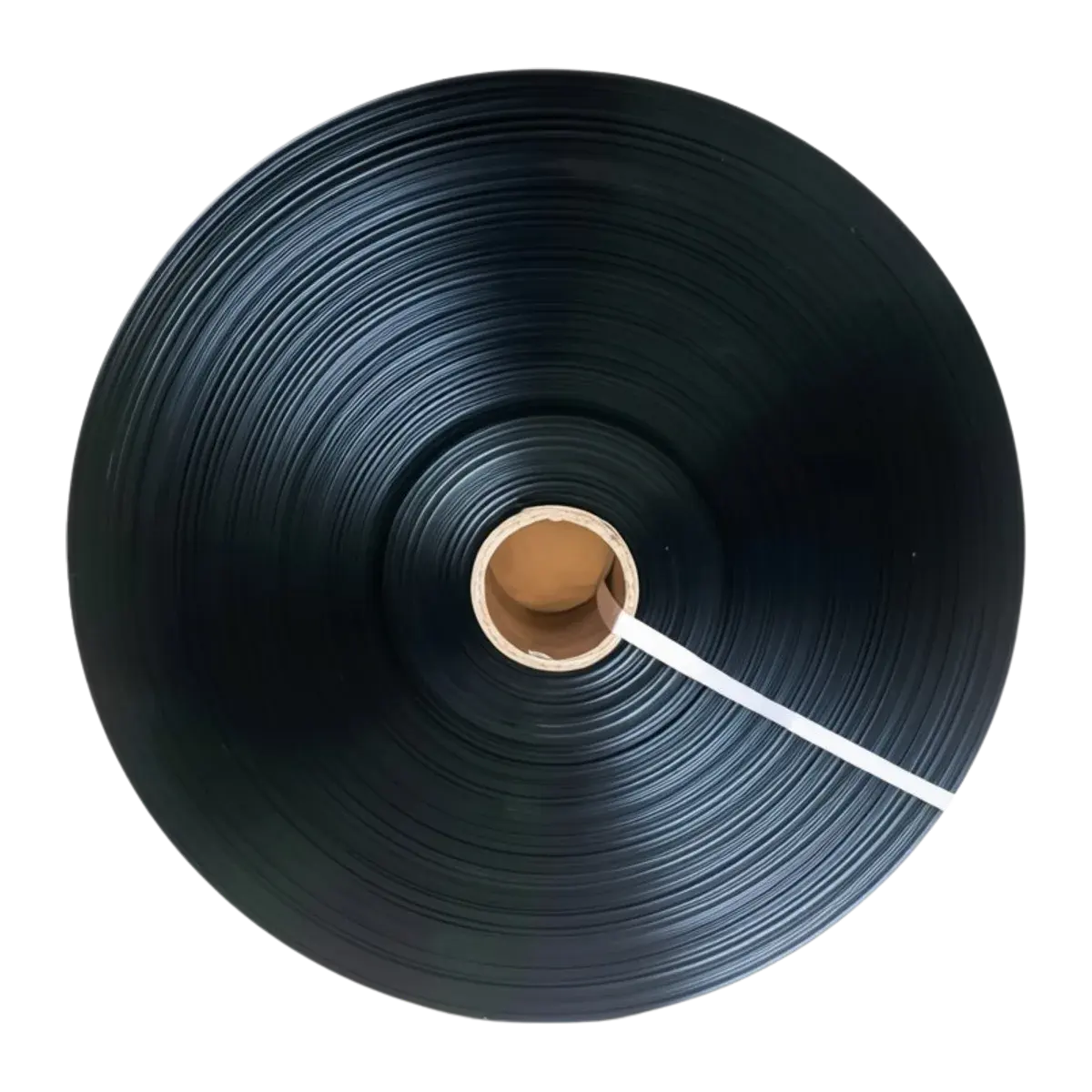
Rain Hose pipe ecoseries is a flexible hose pipe made from LLDPE material designed with a zigzag / random pattern of laser punched holes. Laser-punched discharge holes arranged in a zigzag pattern provide a rain-like spray distribution on either side at the specified low operating pressure like 1 to 1.5 kg/cm². Rain Hose is suitable for closely spaced crops like onion, vegetable crops, leafy vegetables, groundnuts, etc. This is designed to provide rain-like spray distribution for low-pressure crop irrigation.
Roll the hose out along the intended irrigation bed with the punched side positioned correctly for the designed spray pattern. Avoid sharp bends, twists and contact with sharp objects. Secure the hose where necessary to prevent movement or rolling. Connect suitable fittings and introduce water gradually. Operate within the specified pressure range of the individual product variant. Observe the spray pattern during operation and reposition or secure the hose if required. After use, shut off the water supply, drain the hose completely and roll it carefully for storage.
No reviews yet
Be the first to review this product.
Reviews are checked by our team before they go live — yours could be the first one here.
From the knowledge centre
Rain pipe for sugarcane: sizes, prices and pitfalls
Rain pipe for sugarcane has one honest window each cycle — setts to canopy — and this guide covers it: the 75 mm size, prices and pitfalls.
It is designed for rain-like spray irrigation of suitable agricultural and horticultural crops.
Laser-punched discharge holes provide spray distribution on both sides of the hose.
Suitable applications include vegetables, leafy crops, onion, garlic, groundnut, nursery beds, fodder and other suitable crop layouts.
Yes. Shut off the water, drain the hose and roll it carefully before repositioning.
Filtration depends on water quality and the irrigation system. Appropriate filtration should be used where required to reduce blockage risk.
Yes, where the spray pattern and operating pressure are suitable for the nursery application.
Drain the hose completely, roll it carefully and store it away from sharp objects and damaging conditions.
Shut off and depressurise the system, check the hose position and connections, reposition it if necessary, and restart gradually.
Complete the setup
A merchandising suggestion for what typically completes a system like this — not a record of what other customers bought.