Boxed 24
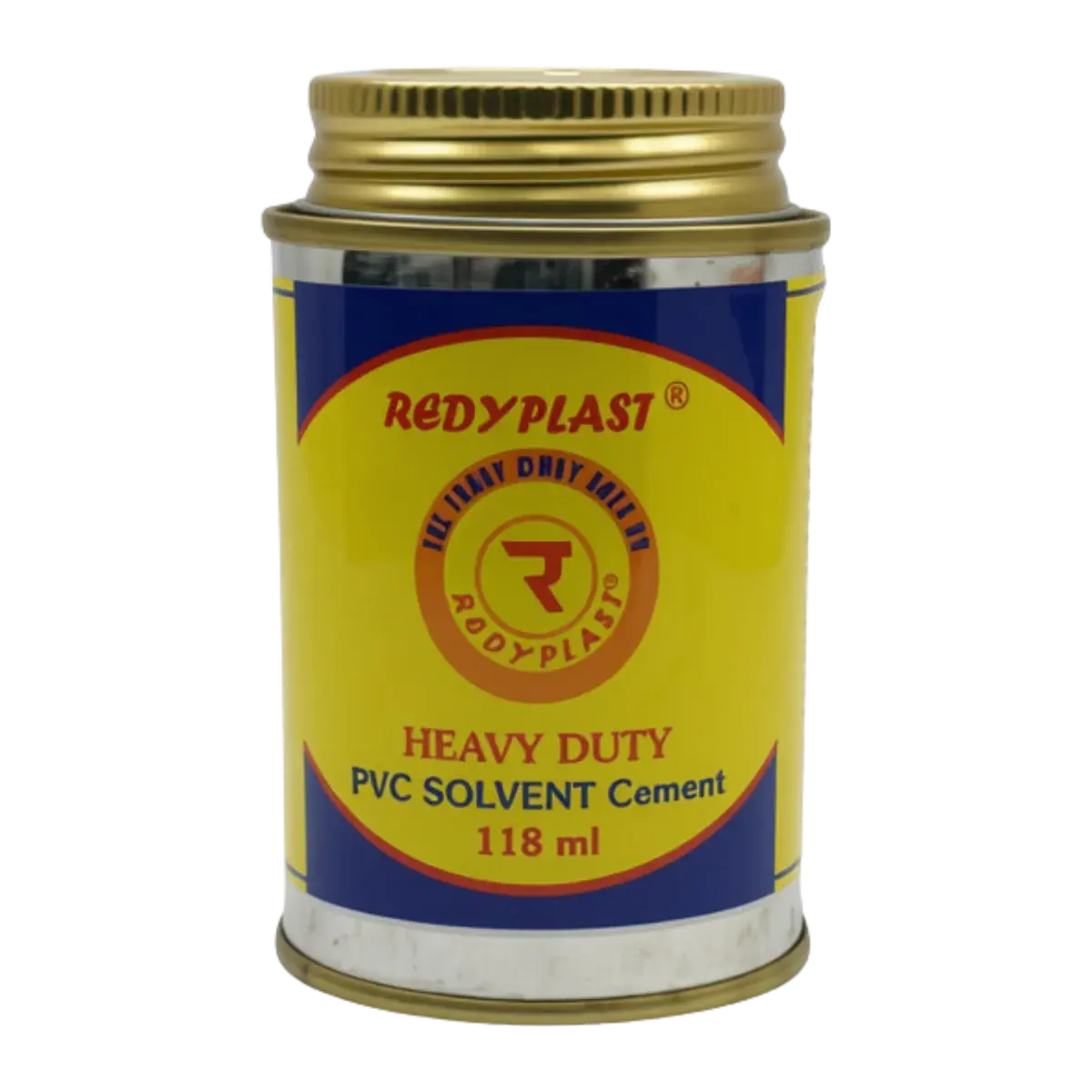
Solvent Cement
Solvent cement adhesive for compatible rigid PVC pipe and fittings
Solvent Cement Tin
5 variants
₹151 / piece
Was ₹18920% off · Dussehra Special
Boxed 24 to a box · ₹3,624 the box
Offer price, inclusive of tax · 18% GST
Delivery calculated at checkout from your PIN code.
In stock
Buy from a single piece — you do not have to take a full box. Boxed 24 to a box · ₹3,624 the box.
Solvent Cement Tin is a solvent-based adhesive designed for joining compatible rigid PVC pipes and fittings in plumbing and irrigation systems. It is applied to the prepared pipe and fitting surfaces to create a solvent-welded joint. The range is available in different tin sizes so the quantity can be selected according to the number of joints and the size of the installation.
Cut the PVC pipe square and remove burrs from the pipe end. Dry-fit the pipe and fitting to confirm correct engagement and alignment. Clean and dry the mating surfaces and remove dust, dirt and moisture. Apply the solvent cement evenly to the prepared pipe and socket surfaces according to the product and pipe manufacturer's instructions. Push the pipe fully into the fitting and hold it in position for several seconds. Wipe away excess cement. Keep the container closed when not in use and work in a well-ventilated area. Allow the joint to cure for the required time before pressurising the system. Use in accordance with the product label and applicable safety instructions. Avoid contact with eyes and skin, avoid inhaling concentrated vapours, keep away from ignition sources and keep the container closed when not in use.
No reviews yet
Be the first to review this product.
Reviews are checked by our team before they go live — yours could be the first one here.
From the knowledge centre
Drip fitting price per piece: what the box rate means
Every drip fitting price per piece comes with a box rate beside it. Which one you pay, the three products with a real minimum, and when the box is worth buying.
It is used for joining compatible rigid PVC pipes and fittings in plumbing and irrigation systems.
Cut the pipe square, remove burrs, dry-fit the joint and clean and dry the mating surfaces before applying cement.
Yes. Dirt and moisture should be removed from the mating surfaces before jointing.
Allow the joint to cure according to the product/pipe manufacturer's instructions and the conditions of the installation. Do not pressurise simply because the joint feels firm.
No. Do not add thinner or other material unless the product manufacturer specifically permits it. The current Redyplast guidance also says not to thin thickened cement.
Solvent cement can thicken when the container is left open or improperly stored. Keep the tin tightly closed when not in use.
Storage life depends on the product condition and manufacturer's instructions. Keep the container properly closed and check the cement condition before use.
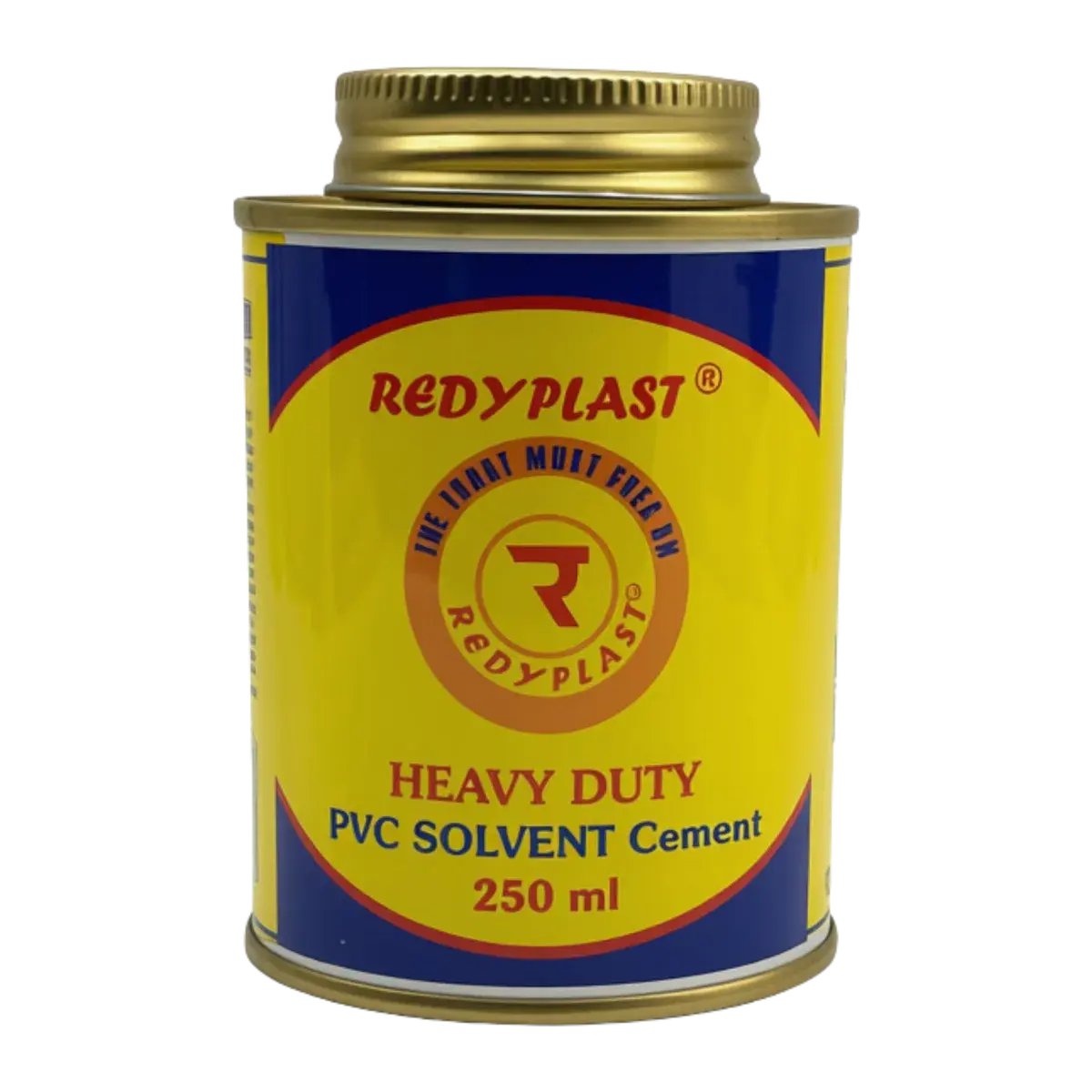
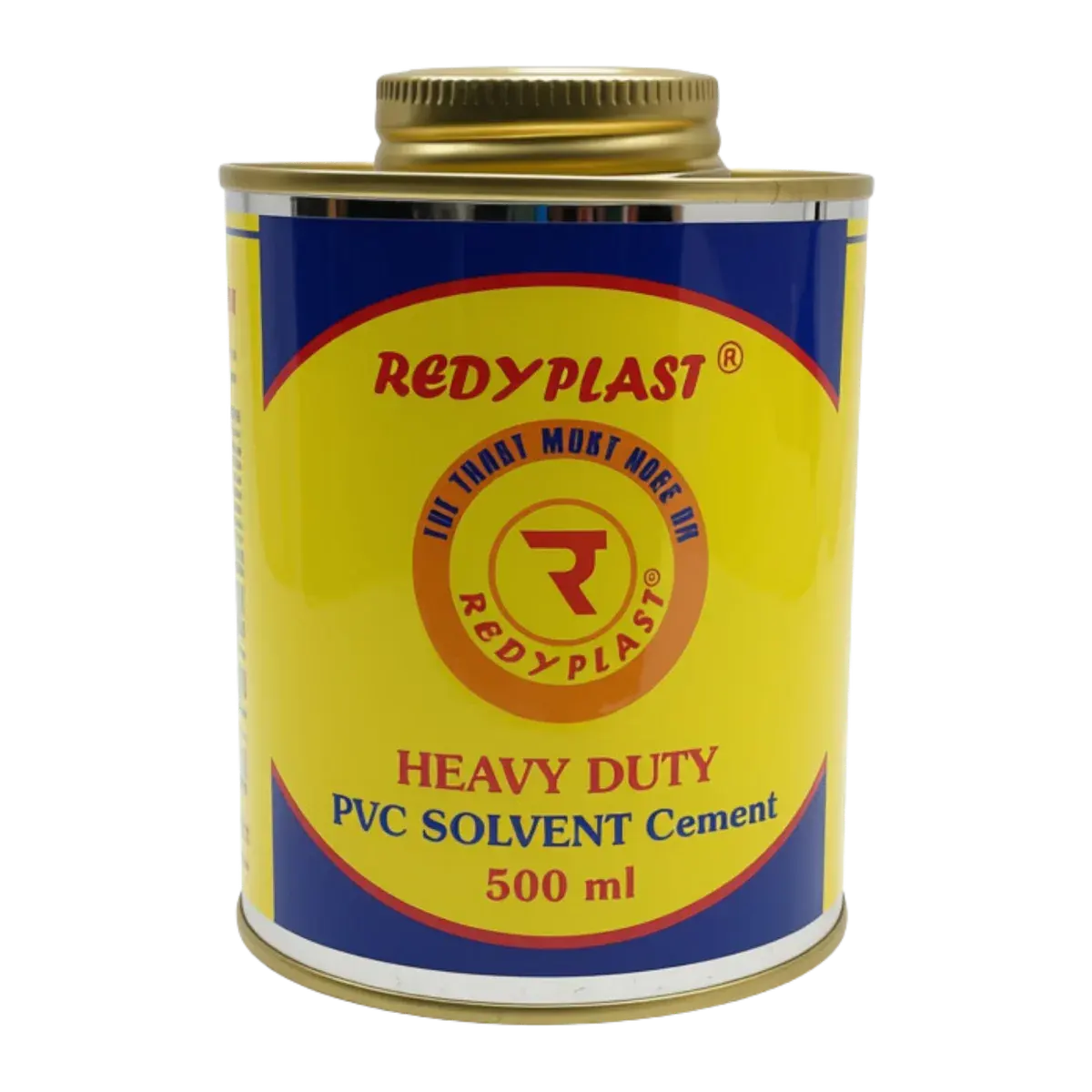
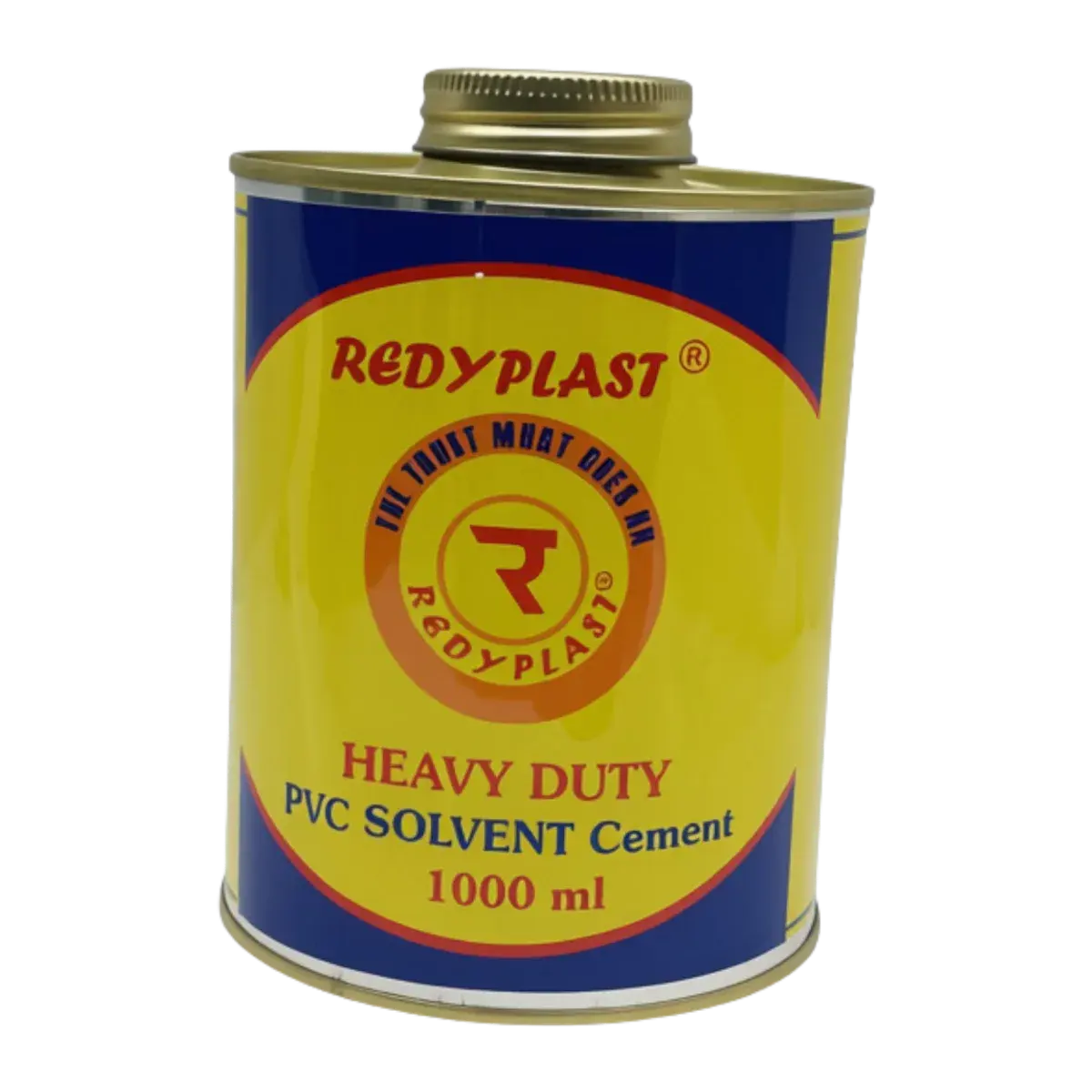
Complete the setup
A merchandising suggestion for what typically completes a system like this — not a record of what other customers bought.